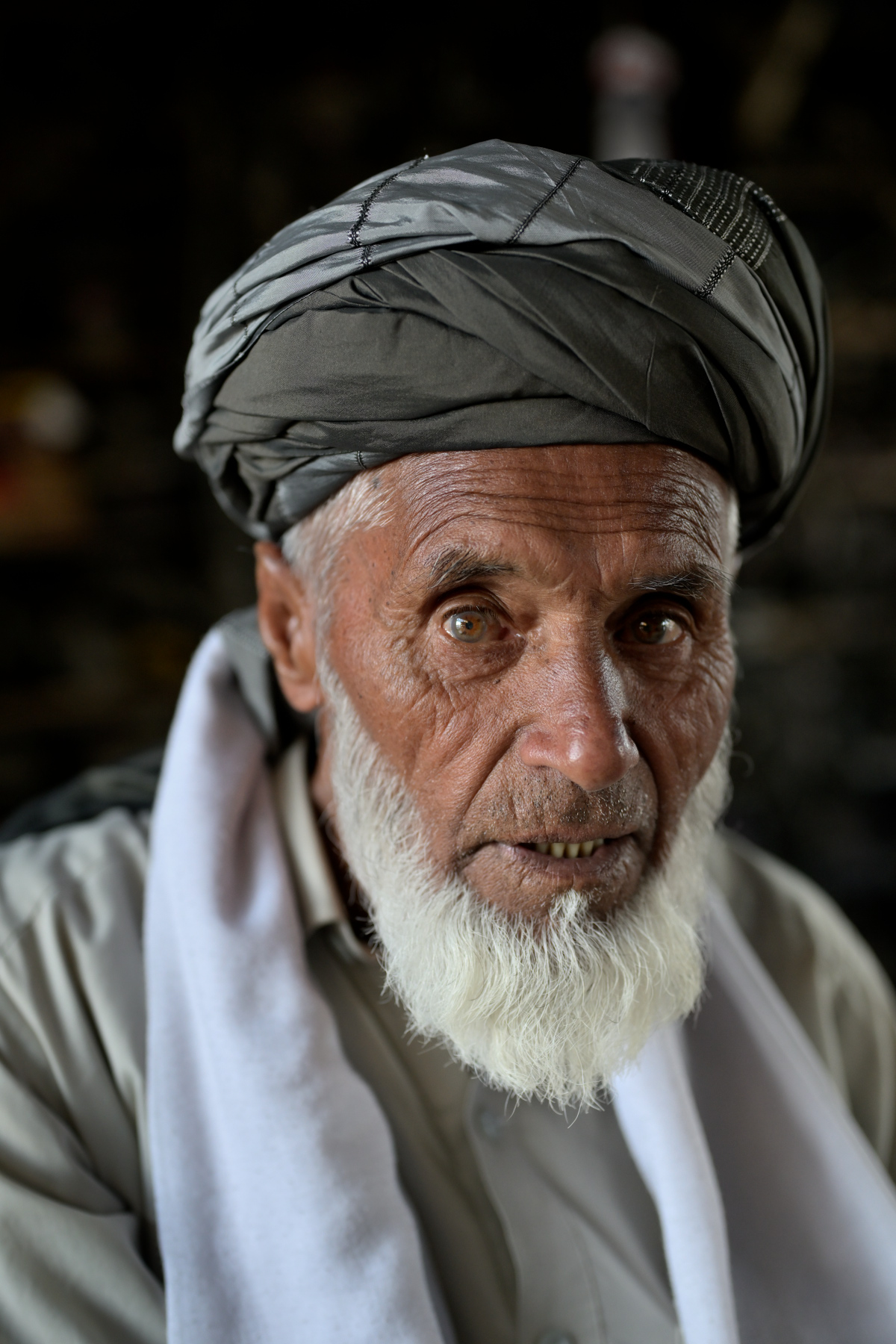
What this is — proximity-driven reveal. Text and one photograph sit under a permanent veil (blur, low opacity, scattered letterforms); a tracked light source — cursor position on a fine pointer, touch-drag or scroll-to-centre proximity on coarse pointers — lerps toward the nearer element and lifts the veil within a falling-off radius. The photograph is two stacked copies: a dim, blurred base and a sharp layer revealed through a CSS radial mask that follows the same light.
What it costs — per-frame layout reads (getBoundingClientRect) for every tracked element, gated behind an IntersectionObserver so only on-screen elements pay the cost. Custom-property inheritance keeps per-character scatter to one style write per fragment, not per letter. Accessibility risk is real: content is illegible until "found," so reduced-motion and keyboard/touch users get a materially different, calmer route — legibility over choreography. Screen-reader users get full alt text and text content regardless of visual veil state.
How it transfers — this is how a viewer actually meets a documentary photograph in a gallery or a slow edit — not all at once, but by leaning in, staying, letting detail arrive on its own schedule. A face that resolves under sustained attention asks something different of the viewer than one delivered fully formed. Useful for interstitials, contact-sheet reveals, or any moment where restraint is the honest choice.